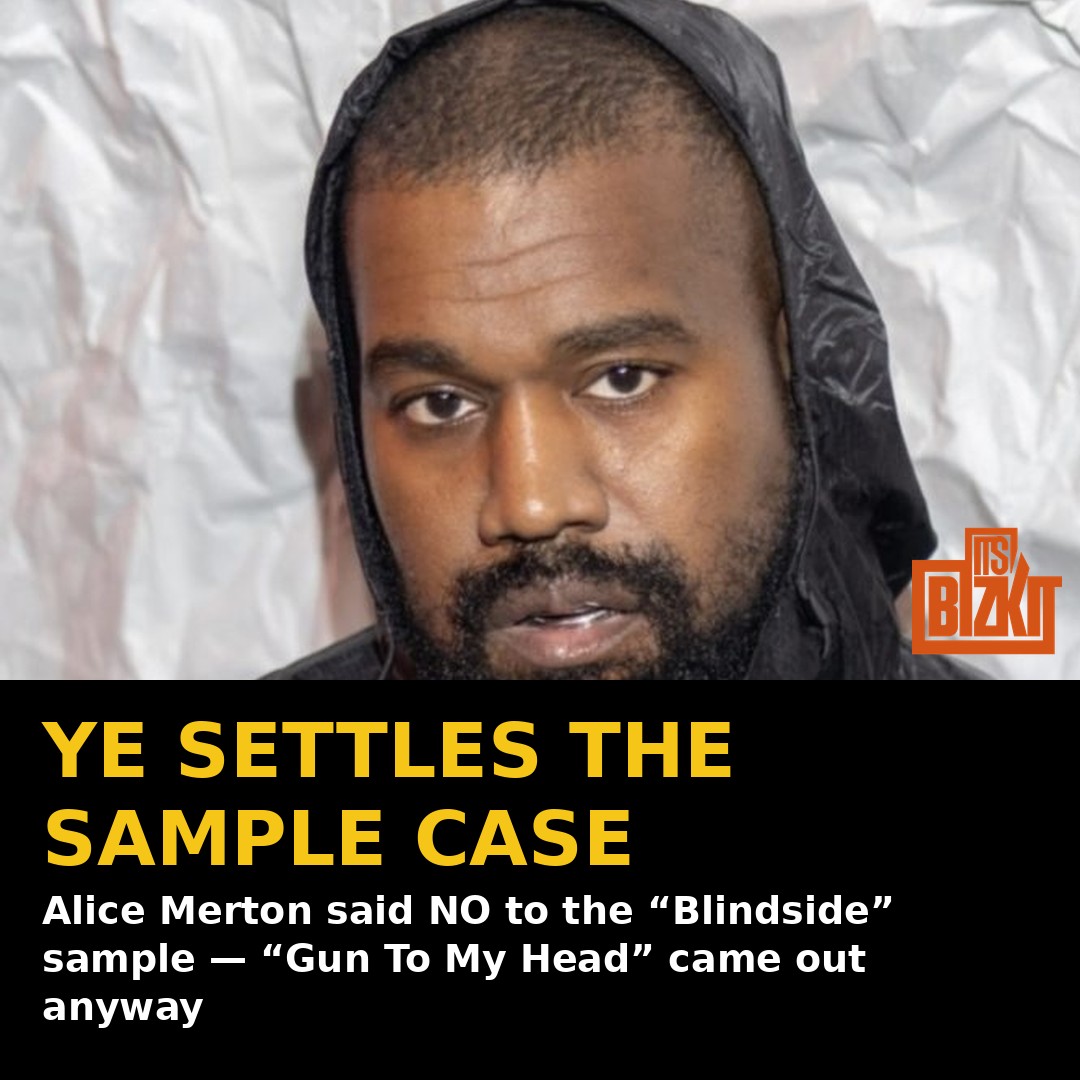
Kanye West Settles Alice Merton’s “Gun To My Head” Sample Lawsuit — Judge Dismisses the Case and Cancels the 2027 Trial
Ye just closed one of the most personal lawsuits of his career — the one where the artist told him no, in writing, and he released the song anyway.
A federal judge has dismissed Alice Merton’s copyright case against Kanye West and Yeezy Record Label after the two sides reached a settlement, according to court coverage reported November 13. Judge Fernando L. Aenlle-Rocha dismissed the case without prejudice, vacated every remaining deadline, and canceled the trial that had been scheduled for March 15, 2027. The dismissal leaves a 90-day window: if the settlement is not completed, either side can ask the court to reopen the case. Merton’s side had notified the court on November 6 that a deal was reached, with the agreement expected to take roughly 30 to 45 days to fully perform once signed. The settlement terms were not disclosed.
The fight was over “Gun To My Head,” the Vultures 2 track Merton says incorporated her 2022 song “Blindside.” According to the case record, Merton discovered the use when Ye performed the song at a listening event in December 2023. His team asked BMG to clear the sample in February 2024. She refused the next month — and gave a reason that made this case bigger than a sample dispute: Merton is a descendant of Holocaust survivors, and she said Ye’s antisemitic remarks clashed with her values.
Per the record, Ye released the track in August 2024 anyway. BMG sent a letter demanding he stop and account for every use. He did not reply, and Merton sued in March 2025.
Last month, the case took a sharper turn. Ye’s team asked the court to strike the references to his antisemitic statements and to Merton’s family history from the lawsuit, arguing they had no bearing on a copyright claim. Judge Aenlle-Rocha refused on October 8, writing: “The court finds that the allegations concerning Merton’s background or Ye’s alleged remarks are not unduly prejudicial and may have some bearing on the litigation, including potentially at trial to explain Plaintiffs’ rationale for denying Defendants’ use of Plaintiffs’ song.”
In other words, the judge ruled her reason for saying no was part of the case. Weeks later, the case is settled instead of tried.
One question the settlement does not answer publicly: what happens to “Gun To My Head” now — whether the track stays up, gets changed, or comes down as part of the deal. Neither side has detailed the terms.
Here’s the real debate for the culture: when an artist tells you NO on a sample — for any reason — and you drop the song anyway, is that ever defensible? Or is a no always a no? Drop your take in the comments.
Case coverage via AllHipHop and Digital Music News, from the federal court record.